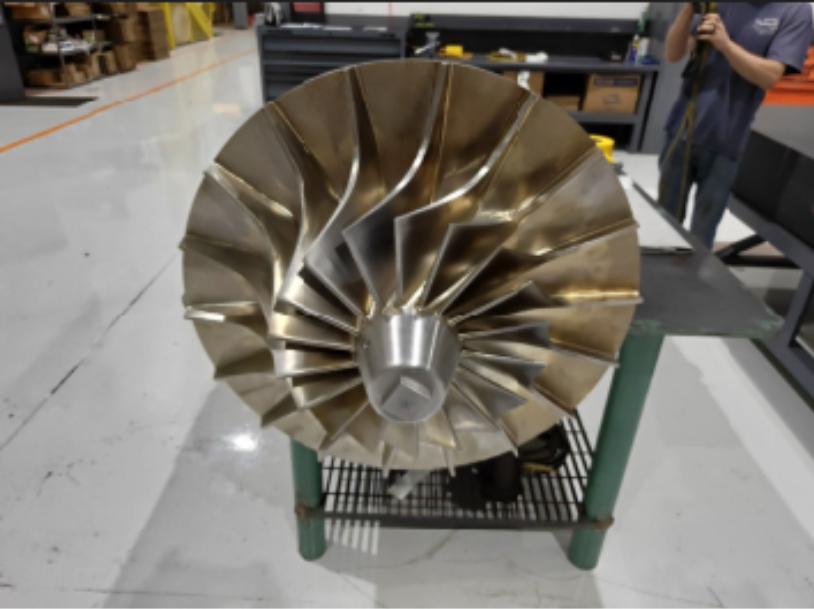
Restoring legacy turbo-machinery often presents critical engineering challenges, particularly when key aerodynamic components are degraded beyond the scope of traditional dimensional analysis.
Recently, a US facility management group contracted our partner Blackstone to execute an extensive rotor re-engineering project. Blackstone and CST (the Team) collaboratively worked together to accomplish to the job. The scope of work required the complete process analysis, redesign, manufacturing, and supply of a replacement rotor, navigating severe material loss that precluded standard reverse-engineering practices.
The equipment in question is a steam compressor deployed within an industrial grain drying process. Specifically, the unit is an overhung centrifugal compressor configuration featuring a shaft with an open-type impeller. The client required a replacement impeller to restore the unit to baseline operational capacity. However, because of the extreme erosion rate, the original trim was completely unknown. The situation had become critical: the impellers were essentially being treated as consumables, suffering a service life of under one year before requiring complete replacement.
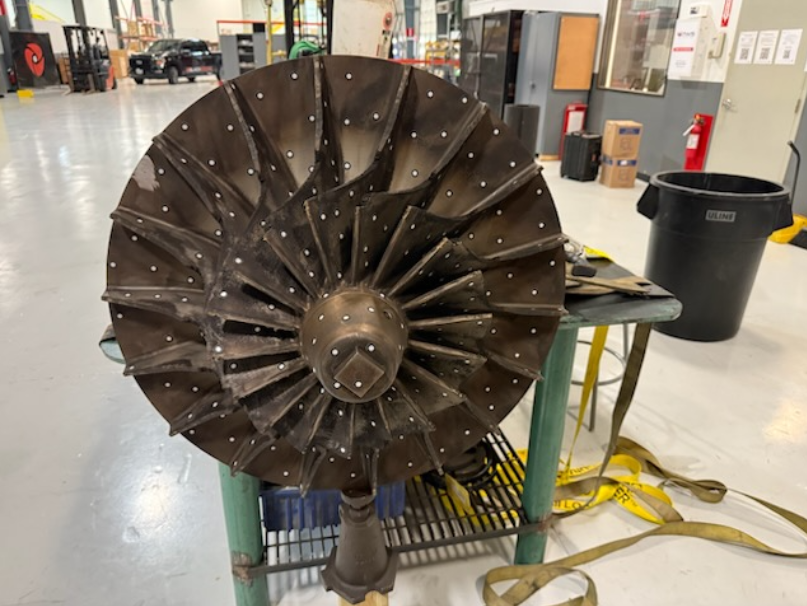
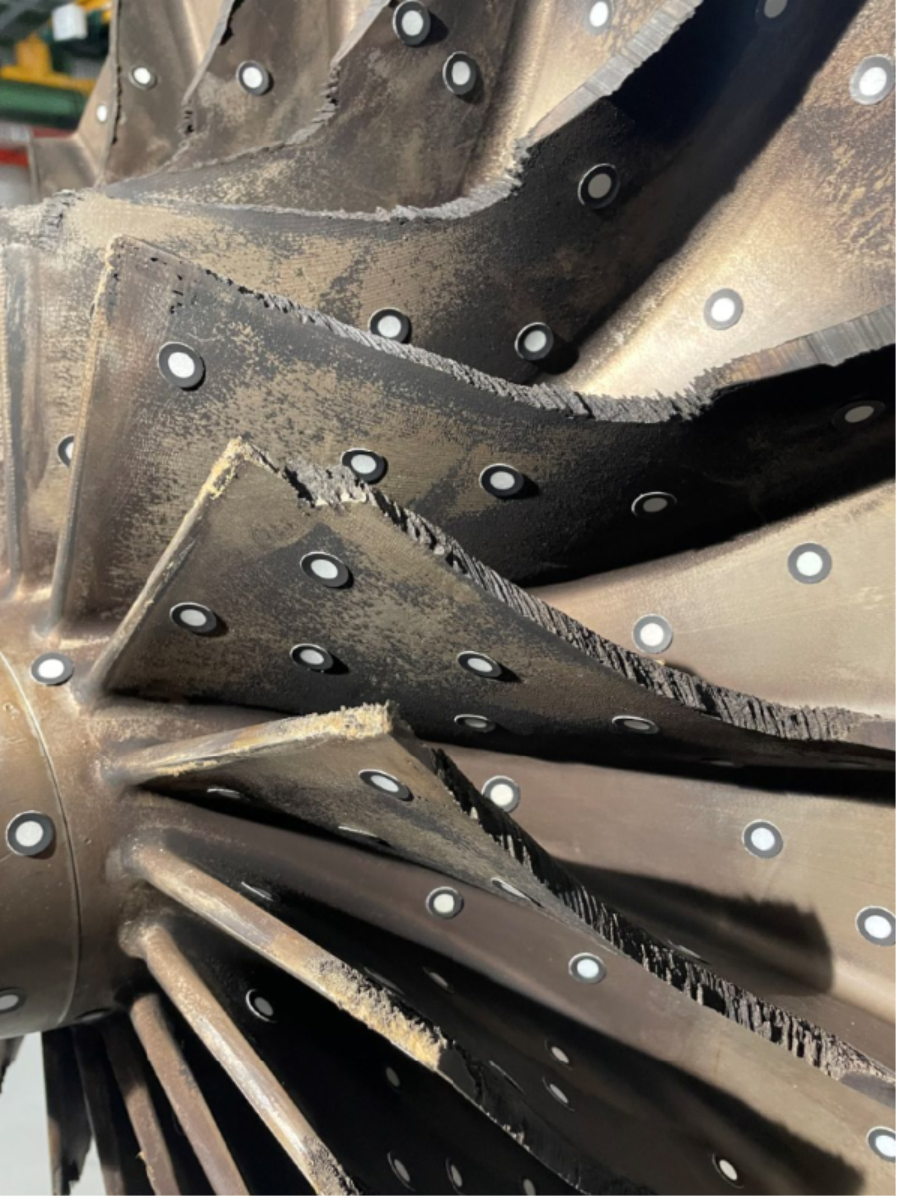
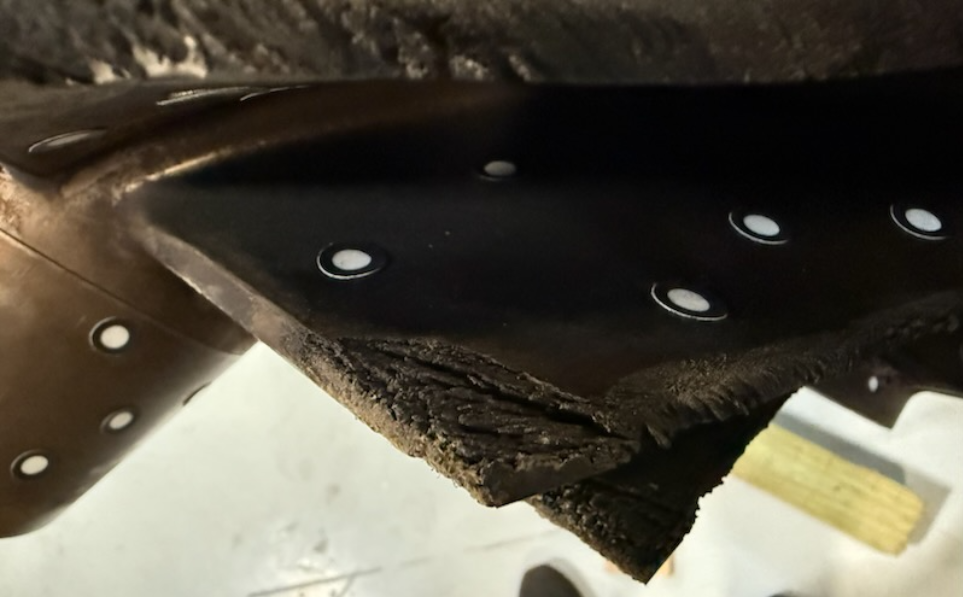
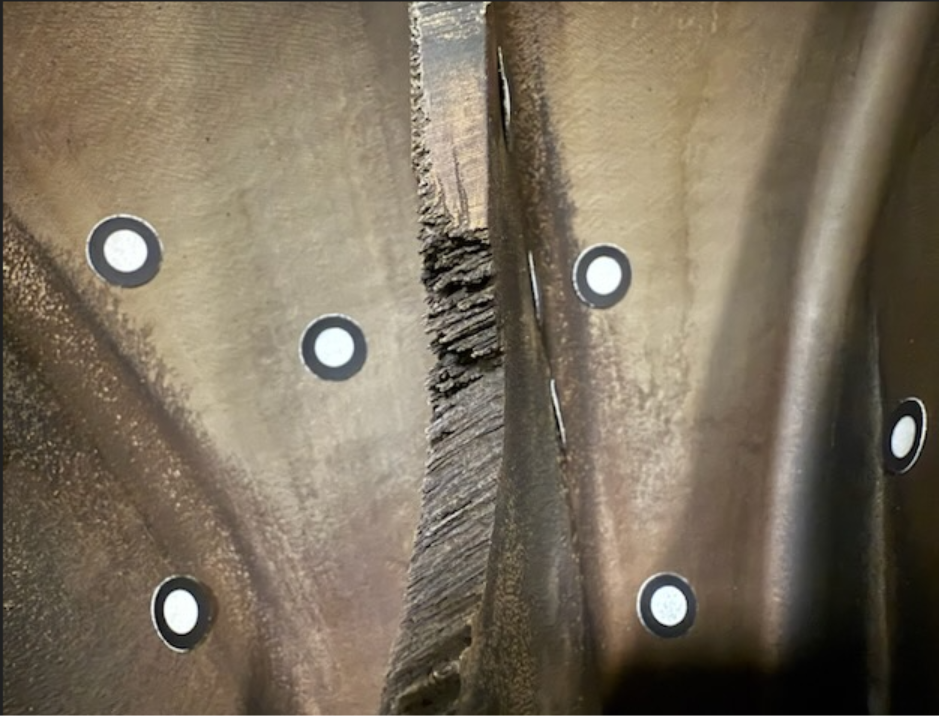
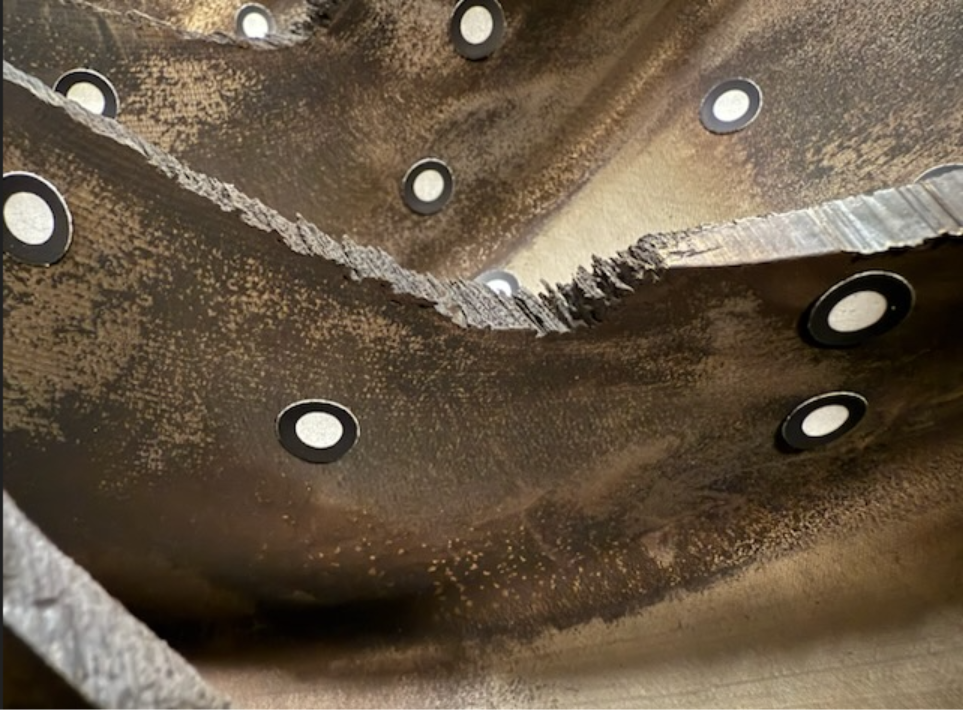
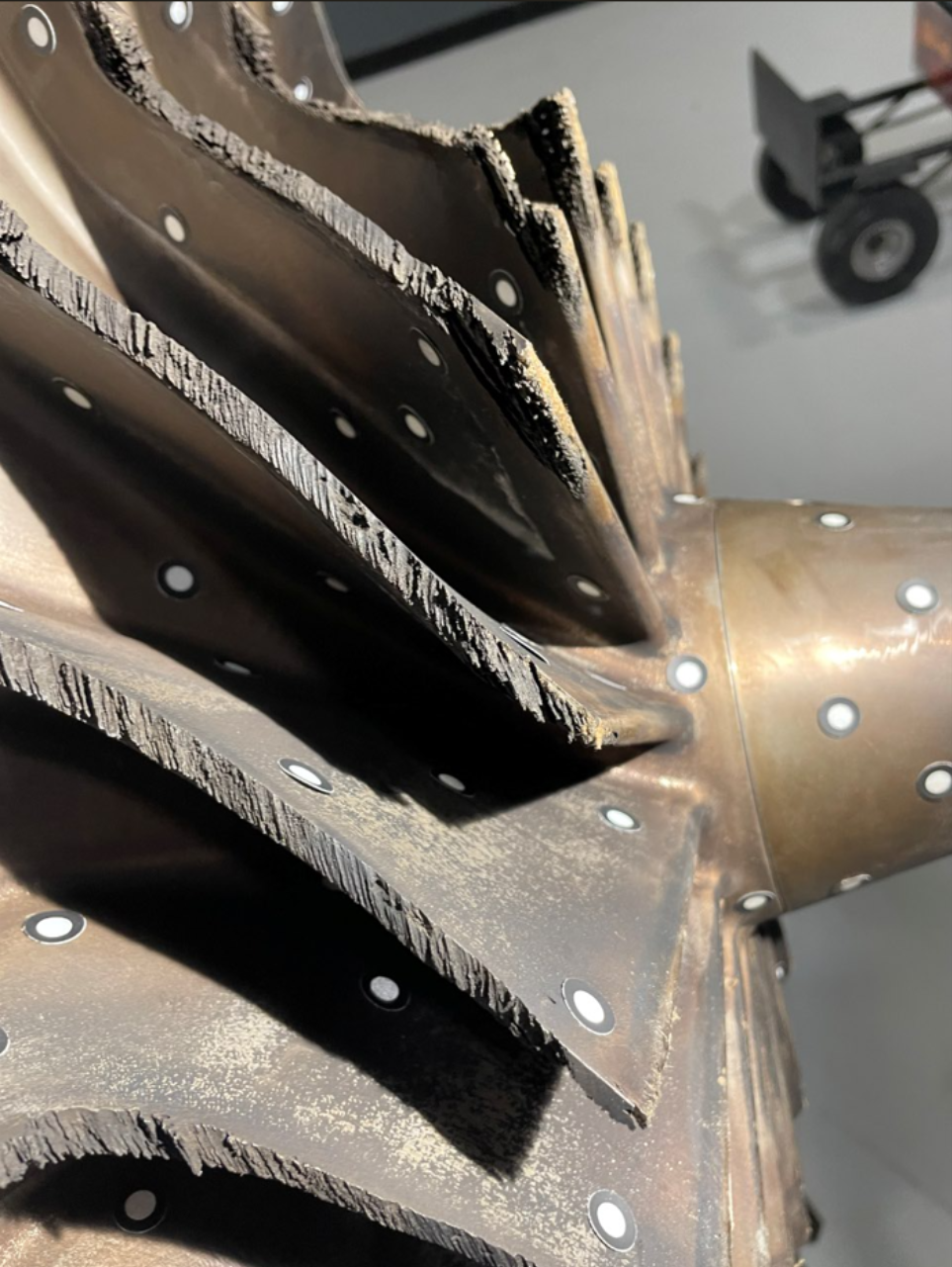
Upon receiving the damaged components unit, the primary technical hurdle was immediately apparent: severe operational erosion. Prolonged exposure to the steam environment had degraded the impeller to the extent that the original blade aerodynamic profile was completely lost. Subsequent thermodynamic analysis confirmed that this rapid erosion was driven by aggressive droplet formation during the compression process.
Because the blade geometry was no longer measurable, traditional re-engineering via 3D laser scanning or CMM (Coordinate Measuring Machine) was unviable. The client required Blackstone and CST to execute a ground-up thermodynamic and mechanical redesign to manufacture a fully functional and compliant replacement rotor without relying on the original impeller dimensions.
To overcome the absence of existing blade geometry and address the short lifecycle of the component, the engineering Team implemented a comprehensive redesign and optimization methodology:
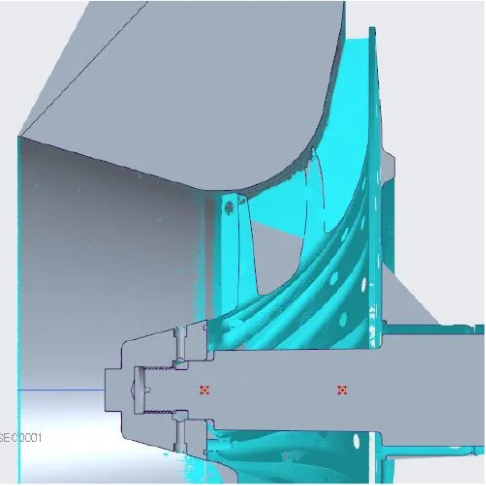
CST, in collaboration with Blackstone, captured the corresponding nozzle (static diaphragm) geometry. By analyzing the stationary in relation to the rotating component(s) in conjunction with incorporating thermodynamic modelling and best practices on clearances /tolerances, the optimal blade profile was achieved.
Following the aerodynamic validation, a complete 3D model of the rotor assembly was generated. This encompassed the new impeller, shaft, locking nut, shaft sleeve, and all associated rotational hardware
The Team decided to keep the same original material of the impeller but with an improved grade. This is to enhance erosion resistance considering liquid droplets issue not possible to be removed completely by changing the process parameters.
The Team developed and issued the comprehensive technical documentation required for manufacturing. This included detailed 2D construction drawings, exact raw material procurement specifications, machining tolerances, assembly procedures, dynamic balancing protocols, and overspeed testing requirements.
All engineering, manufacturing, and testing phases were executed in strict adherence to applicable API standards for axial and centrifugal compressors, ensuring the new rotor met current safety and reliability benchmarks for the site specific application. This included a overspeed test (OST) of the impeller.
Engineering a mechanical replacement was only half the solution. The Team analyzed various mitigation options such as coatings to extend lifecycle but collaborated with customer on critical process guidelines to provide critical process insights and operational guidelines designed to actively reduce the erosive conditions within the compressor and extend the equipment's lifespan.
The thermodynamic re-engineering and manufacturing phases were successfully completed in Q3 2025. The newly fabricated replacement rotor was delivered and installed at the customers US facility in Q4 2025, successfully restoring reliable operation to the grain drying process.
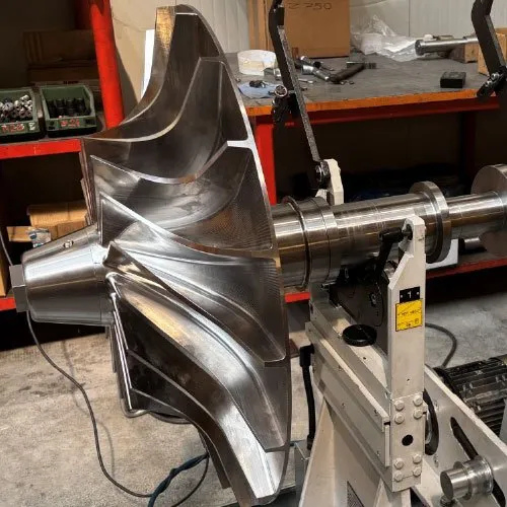
Beyond mitigating immediate CapEx and downtime, this project established a foundation for long-term operational excellence. The Team can now reliably supply alternative components for this legacy compressor that provides increased reliability and lifecycle. Furthermore, the Team gathered vital technical data — including tip velocities and specific geometric factors contributing to the unfavorable conditions — to support a deeper engineering study.
Moving forward, CST and Blackstone together are actively working with the customer to evaluate the effectiveness of the recommended process changes while simultaneously exploring advanced impeller improvements, including structural redesigns including specialized anti-erosion coating options.